Signs Your Sidewalks, Driveways, or Patios Need Resurfacing
Noticing cracks, uneven surfaces, or surface deterioration can indicate that sidewalk, driveway, or patio resurfacing by experienced service providers is needed to restore safety and appearance.
Recognizing the signs that your sidewalks, driveways, or patios need resurfacing is an important step in maintaining the safety and appearance of your property. Over time, exposure to weather, foot traffic, and regular use can lead to cracks, uneven surfaces, and surface deterioration. Property owners in the area often explore this topic to prevent further damage, avoid costly repairs, and enhance curb appeal. Whether you're noticing small cracks or more significant surface issues, understanding these signs can help you decide when to seek the expertise of local contractors who specialize in resurfacing services.
Keeping an eye out for common indicators such as spalling, deep cracks, or surface pitting can signal that your outdoor surfaces are in need of attention. Resurfacing offers a practical solution to restore the integrity and look of your sidewalks, driveways, or patios without complete replacement. Local service providers are equipped to evaluate these signs and recommend the best approach to bring your outdoor spaces back to life. Continuing to read can provide valuable insights into identifying issues early and understanding how professional resurfacing can benefit your property.
- Sidewalk resurfacing may be needed when cracks, uneven surfaces, or trip hazards develop, and local contractors can restore safety and appearance efficiently.
- Driveway resurfacing becomes necessary when fading, potholes, or surface deterioration appear, with service providers offering solutions to extend its lifespan.
- Patio resurfacing is often required when surface wear, cracks, or staining affect outdoor living spaces, and local pros can revitalize the area for better use.
- Signs your sidewalks, driveways, or patios need resurfacing include visible cracks, pooling water, or surface pitting, prompting local contractors to assess and repair the damage.
- Resurfacing services are suitable when surface discoloration or surface roughness impacts aesthetics or safety, with local experts providing tailored solutions.
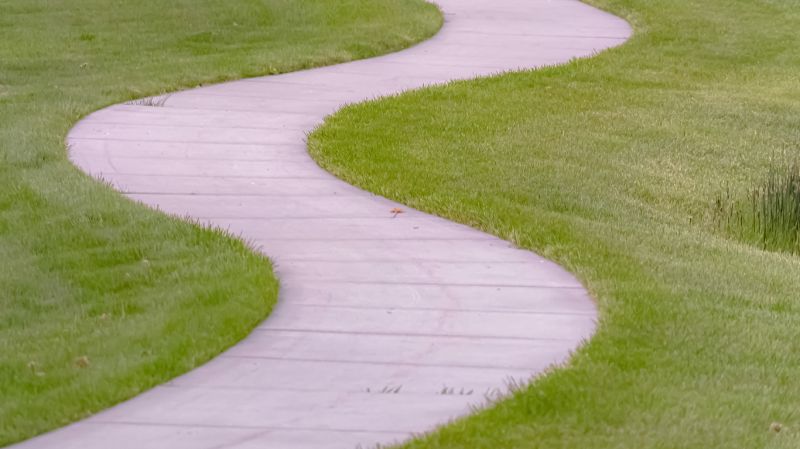
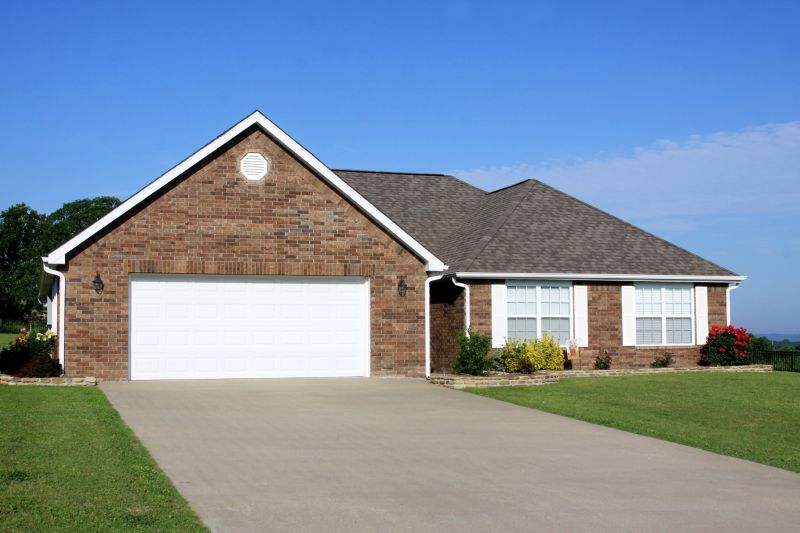
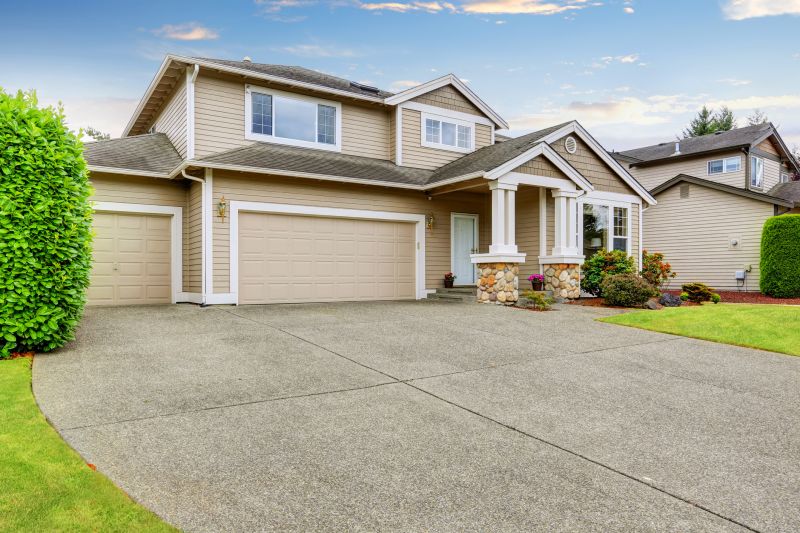
When homeowners search for signs their sidewalks, driveways, or patios need resurfacing, they are typically looking for visual cues that these surfaces are deteriorating or no longer serving their intended purpose. Common indicators include visible cracks, uneven surfaces, or areas where the material has begun to break apart. These signs often suggest underlying issues such as ground shifting, weather-related wear, or age-related deterioration. Recognizing these early warning signs is important because they can prevent more serious problems down the line, like trip hazards or water damage that can compromise the integrity of the property’s outdoor spaces.
The problems associated with worn or damaged outdoor surfaces often extend beyond aesthetics. Cracks and uneven patches can pose safety risks, especially for families with children or elderly residents. Water can seep into the cracks, leading to further damage and even undermining the stability of the surface. Additionally, homeowners might consider resurfacing projects as part of larger plans to improve curb appeal or prepare a property for sale. Whether the goal is to restore the original look or to create a more functional outdoor area, understanding these signs helps homeowners determine when resurfacing is necessary and how it can fit into their overall property maintenance or improvement plans.
Properties that frequently come up in discussions about resurfacing needs include residential homes, apartment complexes, and commercial properties with outdoor walkways or patios. Residential properties often feature concrete or paver driveways and patios that endure daily traffic and exposure to the elements. Commercial properties, such as storefronts or office complexes, require durable and safe outdoor surfaces that can withstand higher foot traffic and weather conditions. Driveways in particular are vulnerable to cracking and sinking over time, especially in areas with freeze-thaw cycles or unstable soil. Recognizing the signs of wear on these various property types helps homeowners and property managers identify when professional resurfacing services are needed.
Local contractors who specialize in sidewalk, driveway, and patio resurfacing are equipped to evaluate these signs and recommend appropriate solutions. They understand how different materials age and what issues commonly arise based on the property’s location and usage. These service providers can address problems like surface cracks, spalling, or unevenness through resurfacing techniques that restore the surface’s appearance and functionality. For homeowners, identifying the signs that indicate a resurfacing project is needed can help in planning maintenance or upgrades, ensuring outdoor spaces remain safe, attractive, and durable for years to come.
Concrete Repair - contractors specializing in concrete repair can address cracks, spalling, and surface deterioration similar to resurfacing sidewalks, driveways, or patios.
Stamped Concrete Projects - stamped concrete work involves surface preparation and finishing techniques that are related to resurfacing and decorative concrete applications.
Patio Installation - installing new patios often requires surface planning and preparation skills comparable to those used in resurfacing existing outdoor surfaces.
Concrete Overlay Services - overlays involve applying a new surface layer over existing concrete, closely related to the resurfacing process for sidewalks, driveways, or patios.
Crack Repair and Filling - crack filling and sealing are essential steps in maintaining concrete surfaces before or during resurfacing projects handled by local contractors.
Surface Leveling and Slab Lifting - leveling uneven concrete slabs involves planning and techniques similar to those used in resurfacing to restore surface integrity.
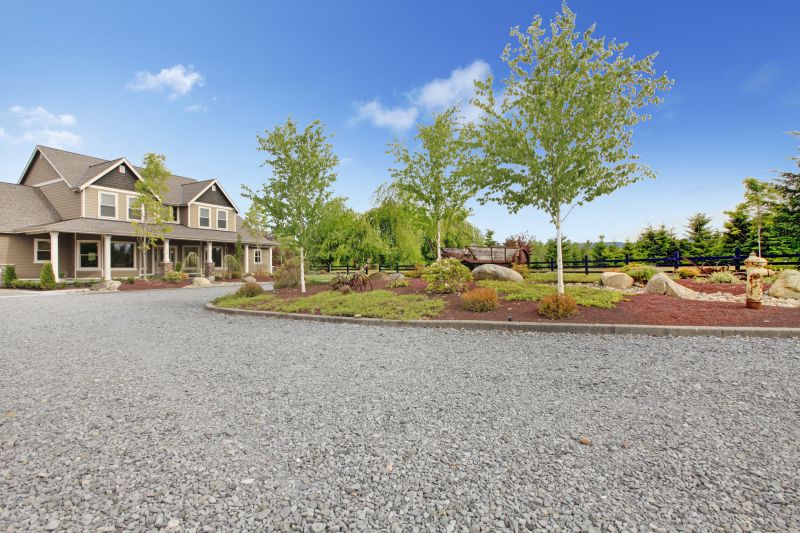
When evaluating potential service providers for resurfacing sidewalks, driveways, or patios, it is important to consider their experience with similar projects. Homeowners should inquire about how long a contractor has been working in the local area and whether they have a history of completing resurfacing jobs comparable in scope and materials. An experienced contractor will be more familiar with common issues that arise and know how to address them effectively, helping to ensure the longevity and quality of the resurfacing work.
Clear written expectations are essential when choosing a local contractor for resurfacing services. Homeowners should seek detailed descriptions of the scope of work, including the preparation process, materials used, and the finishing techniques. Having this information in writing helps prevent misunderstandings and provides a basis for comparing different service providers. It also allows homeowners to assess whether the contractor’s approach aligns with their specific needs and the condition of their sidewalks, driveways, or patios.
Reputable references and good communication are vital factors in selecting a reliable service provider. Homeowners can ask for references from previous clients who had similar resurfacing projects completed, which can offer insights into the contractor’s workmanship and professionalism. Additionally, responsive and clear communication throughout the process can make a significant difference in the overall experience, helping to address questions or concerns promptly. Choosing a contractor known for transparency and professionalism can lead to a smoother project and a result that meets expectations.
Property owners often search for signs your sidewalks, driveways, or patios need resurfacing when they are planning practical projects around their homes and businesses. Local pros provide Sidewalk, Driveway, or Patio Resurfacing services for everyday jobs and straightforward project options.
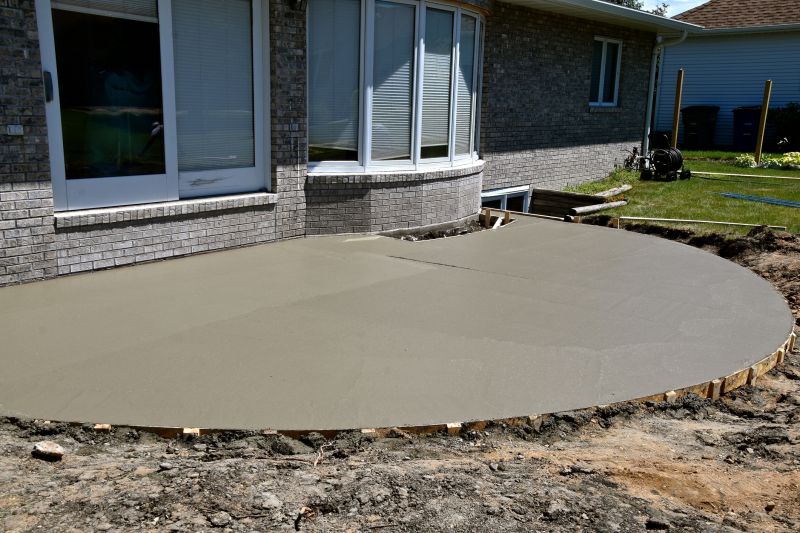
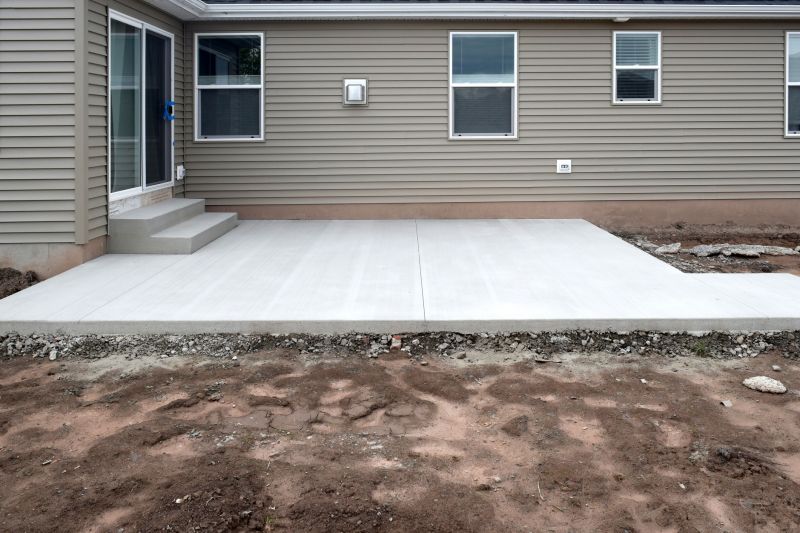
Property owners often notice visible cracks, uneven surfaces, or fading color on their sidewalks, driveways, or patios as signs that resurfacing may be needed. These issues can develop over time due to regular wear and tear, weather exposure, or ground shifting, making surfaces less safe and less visually appealing. Recognizing these common signs early can help homeowners decide when to seek out local contractors who specialize in resurfacing services, ensuring that their outdoor spaces remain functional and attractive.
Additionally, if surfaces are beginning to develop pitting, spalling, or a rough texture that makes walking or outdoor activities uncomfortable, it may be time for resurfacing. Fading or stained areas that no longer match the rest of the property can also indicate the need for renewal. Local service providers experienced in sidewalk, driveway, or patio resurfacing can assess these conditions and recommend appropriate solutions to restore the area’s integrity and appearance.
What are common signs that sidewalks, driveways, or patios need resurfacing? Visible cracks, uneven surfaces, and significant wear or deterioration are clear indicators that resurfacing may be necessary to restore safety and appearance.
How can I tell if my driveway or patio is too damaged for simple repairs? If cracks are extensive, surface pitting is widespread, or the surface is sinking or shifting, it may be a sign that resurfacing by local contractors is needed instead of basic repairs.
What indicates that surface discoloration or staining requires resurfacing services? Persistent stains, fading, or discoloration that cannot be cleaned or restored through regular maintenance could suggest the surface needs a fresh overlay or resurfacing.
Are there specific signs that suggest my sidewalk needs resurfacing? Cracks, spalling, or loose sections that compromise safety and aesthetics are signs that sidewalk resurfacing by local service providers might be appropriate.
When should I consider resurfacing instead of replacing my outdoor surfaces? Resurfacing is typically suitable when the underlying structure is sound but the surface shows signs of aging, such as surface cracks, surface wear, or discoloration, making it a practical alternative to full replacement.
Cracks and Gaps - Visible cracks and gaps in sidewalks, driveways, or patios can indicate the need for resurfacing to restore structural integrity. Local contractors can evaluate these issues and provide suitable repair options.
Uneven Surfaces - Noticeable unevenness or sinking areas may suggest the surface has settled or deteriorated, making resurfacing a practical solution. Service providers can level and smooth out these imperfections.
Surface Wear and Damage - Signs of surface wear, such as spalling, pitting, or fading, can diminish appearance and safety, prompting resurfacing to refresh and reinforce the area.
Drainage Problems - Poor drainage causing pooling or water runoff can accelerate surface damage, and local pros can resurface to improve water flow and prevent further deterioration.
If you are thinking about signs your sidewalks, driveways, or patios need resurfacing for a property, this guide is meant to help you understand this topic, the typical project types, and how different options might fit your plans.
When you are ready, you can use the quote form on this page to share a few details about your project. From there, local pros can review the basics and follow up with options that match what you have in mind.